Lavender Botanical SVG Clipart Review
As a designer who spends half my day staring at stitch charts and the other half worrying about whether a client’s logo will hold up on a curved cap, I approach every new digital asset with a mix of optimism and skepticism. We have all been burned by designs that look stunning in a preview window but turn into a muddy, unrecognizable mess once they hit the hoop. That is why I took Lavender Botanical SVG Clipart for a spin before recommending it to anyone looking to add a touch of calm to their craft business or personal projects.
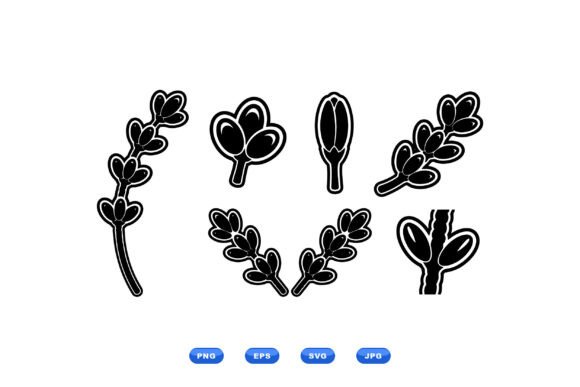
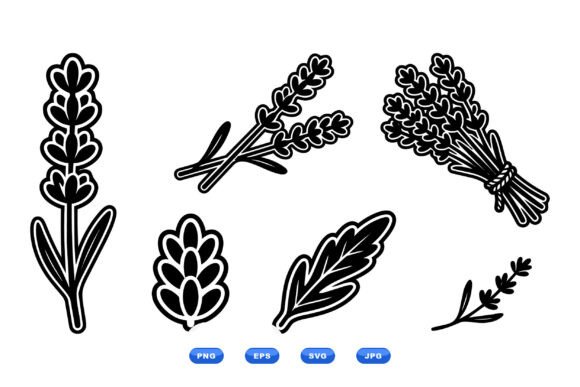
This isn’t just another generic flower file. The description highlights a line art vector set depicting lavender sprigs and a tied bundle, rendered in bold black sticker outlines. For those of us working in the world of machine embroidery, that specific detail—the "bold black sticker outline"—is actually a game-changer. It suggests a graphic, modern aesthetic rather than a delicate, traditional botanical illustration. Let’s break down how this design holds up when we move from screen to fabric.
The First Impression: Mood and Visual Personality
When you first load this Illustrations category graphic into your digitizing software, the immediate takeaway is clarity. Lavender is often associated with softness, pastel colors, and intricate detail. However, this design leans into a bolder identity. The "calm natural mood" mentioned in the product details is achieved through clean geometry and confident lines rather than delicate shading.
The visual personality here is distinctly contemporary. It feels like something you would see on a high-end boutique label or a trendy coffee shop apron. The tied bundle aspect adds a narrative element—it’s not just a plant; it’s a harvested bunch, ready for use. This makes it incredibly versatile for storytelling in branding. Whether you are creating assets for a small shop product or designing a personalized gift for a friend who loves gardening, the image communicates "handmade," "organic," and "crafted" without needing extra text to explain itself.
Real-World Application: From Screen to Stitch
I wanted to see how this embroidery project would translate to actual merchandise. My test case was a custom embroidered tote bag intended for an Etsy seller specializing in bath and body products. The goal was to create a cohesive brand look that felt professional yet approachable.
Using the included SVG and PNG files, the transition to the embroidery file was seamless. Because the original artwork relies on strong outlines, it translates beautifully into satin stitches. The outer edges of the lavender bundle can be defined with a crisp satin stitch, giving the design a polished, almost appliqué-like finish even if it is stitched directly onto the fabric. This technique works exceptionally well for tote bag design applications where durability is key. Unlike complex fill stitches that can pucker thin canvas, the linear nature of this design lays flat and resists distortion.
I also experimented with using this as an embroidered patch concept. The bold outline provides a natural border, meaning you could easily add a simple running stitch around the perimeter to create a finished edge. This makes it ideal for custom apparel like denim jackets or sweatshirts, where a distinct, badge-style graphic stands out against textured fabrics. The design doesn’t get lost in the weave of heavy cotton or wool blends, which is a common struggle for finer botanical illustrations.
Performance Across Different Fabrics and Projects
One of the biggest challenges in embroidery is ensuring contrast and visibility. With Lavender Botanical SVG Clipart, the choice of thread colors becomes critical. While the source is black line art, in an embroidery context, you might choose a deep purple, sage green, or even white thread depending on the background.
For sweatshirt embroidery or dark fabric backgrounds, using a light-colored thread (like cream or pale yellow) to mimic the original black outline effect creates a striking negative-space look. Conversely, on light fabrics, a true black or dark charcoal thread anchors the design effectively. The simplicity of the shape means that even with fewer thread colors, the design remains legible. This is a huge plus for commercial embroidery workflows where time and thread inventory matter.
I also tested this design on baby clothes. The soft subject matter fits perfectly for nursery decor or baby embroidery gifts. However, because the lines are bold, it avoids the "fussy" look that can sometimes make small designs appear cluttered on infant garments. It reads clearly even when scaled down slightly, making it suitable for onesies or bibs where space is limited.
Where to Exercise Caution
No design is perfect for every scenario, and being honest about limitations is part of responsible reviewing. There are specific situations where this digital embroidery file requires careful planning:
- Small Hoop Sizes: If you attempt to stitch this design too small, the "tied bundle" detail may lose its definition. Ensure your hoop size allows for enough resolution to distinguish the individual sprigs from the main bundle.
- Textured Fabrics: While the bold lines help, highly textured fabrics like bouclé or thick terry cloth can obscure fine line work. Test on scrap fabric first to ensure the stitch density captures the shape clearly.
- Stretchy Fabrics: On knit fabrics or stretchy materials used for caps or fitted shirts, always use a proper stabilizer. Linear designs can distort if the fabric stretches during stitching, so backing is non-negotiable for a professional finish.
- Dense Stitch Areas: Although primarily line art, if you choose to fill the bundle tightly, watch the stitch density. Over-stitching can cause puckering, especially on lightweight fabrics like tea towels or thin cotton blends.
Practical Designer Notes for Success
Before you commit this design to a final product, keep these practical tips in mind to ensure your finished product looks as good as the digital preview:
- Test Thread Contrast: Don’t assume the black outline will read as black in thread. Lay out your chosen threads next to the design on the actual fabric to check contrast levels.
- Review Stitch Types: Determine if the lines should be satin stitches for a glossy, bold look or running stitches for a softer, more delicate appearance. The right choice depends on the desired fabric texture interaction.
- Check Licensing: Since you are likely using this for a craft business or Etsy seller listings, double-check the license terms. Confirm whether you can sell physical items made from this design and if there are any restrictions on digital resale.
- Mockup Visualization: Use the provided PNG to create printable mockups. Seeing the design on a real-world item helps you gauge scale and placement before cutting fabric.
Final Verdict
Lavender Botanical SVG Clipart is a smart, versatile addition to any designer’s library of design assets. It bridges the gap between traditional botanical themes and modern graphic design, offering a clean aesthetic that photographs well and stitches reliably. It is particularly strong for brands focusing on wellness, home goods, and handmade crafts.
Whether you are an experienced pro looking for reliable graphics for client work or a hobbyist wanting to create a meaningful personalized gift, this design delivers on its promise of calm and clarity. Just remember to respect the limits of your machine and fabric, and you will end up with a handmade product that feels both professional and heartfelt. It is a solid choice for anyone looking to elevate their embroidery project with a touch of modern elegance.