Hello World Baby Onesie SVG Review
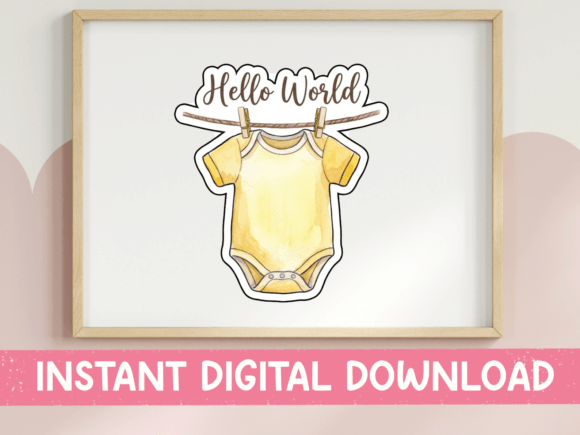
When I am evaluating a new machine embroidery design, my first instinct is to look past the digital preview and ask: does this actually work when stitched? With the Hello World Baby Onesie SVG, I found myself immediately drawn to its narrative potential. It is not just a graphic; it is a scene. The description paints a picture of a soft yellow bodysuit hanging from a clothesline with two wooden clothespins, topped with playful lettering. As a designer who frequently creates for small shops and personalized gifts, I see immediate commercial viability here, but I also see specific technical challenges that need to be addressed before sending this to the hoop.
First Impressions and Visual Mood
The mood of this design is undeniably warm and celebratory. The concept of a onesie on a clothesline evokes the universal imagery of a new arrival, making it an instant hit for baby showers or newborn announcements. From a visual standpoint, the layout feels balanced. The combination of the garment shape, the line, and the text creates a cohesive unit rather than disjointed elements. This is crucial for embroidery project success because complex scenes can easily become muddy if the stitch density is too high or the spacing is off.
The playful nature of the typography suggests a lighthearted, modern aesthetic. It fits perfectly within the current trend of minimalist yet meaningful handmade product lines. For an Etsy seller or small shop owner, this design offers a strong emotional hook. Customers are not just buying an embroidered image; they are buying the feeling of welcoming a new life. This emotional connection often translates to higher engagement on social media and better conversion rates in online stores.
Real-World Application: Where This Design Shines
In my experience, the versatility of a design like this lies in its ability to adapt to various substrates. While the name implies a onesie, the actual application possibilities are far broader. I envision this design thriving on soft cotton blends for baby embroidery projects, such as muslin blankets or burp cloths. The gentle curves of the onesie and the thin line of the clothesline would translate beautifully into satin stitches or fine fill stitches on these delicate fabrics.
However, the design’s appeal extends beyond baby items. It works exceptionally well as a tote bag design. Imagine this cheerful motif centered on a canvas tote sold at craft fairs or used by parents for diaper bags. The contrast between the sturdy fabric and the detailed embroidery adds a layer of perceived value, elevating a simple accessory into a boutique-quality item. Similarly, it could serve as a charming accent on a kitchen towel or a tea towel, adding a touch of whimsy to home decor.
For those creating custom apparel, this design is ideal for sweatshirts or hoodies intended for new parents. The "Hello World" theme resonates deeply with the milestone of parenthood. When placed on the chest of a unisex hoodie, it becomes a wearable statement piece. The design’s simplicity ensures it remains legible and stylish even when scaled down or up, provided the stitch settings are adjusted correctly.
Technical Considerations and Stitch Clarity
While the visual concept is strong, we must discuss the execution. The inclusion of small details, such as the clothespins and the folds in the onesie, requires careful attention to stitch density. If the design is too dense, the fabric may pucker, especially on lightweight materials. Conversely, if the stitches are too sparse, the small details may lose definition, resulting in a blurry appearance.
I recommend testing this embroidery file on scrap fabric first. Pay close attention to how the thread colors interact. The soft yellow of the onesie needs to stand out against the background fabric. On light-colored fabrics, you might need a contrasting thread color for the outline or shadow to ensure visibility. On dark fabrics, a white or bright yellow thread will pop, but you may need to adjust the underlay stitches to prevent the yellow from looking dull or transparent.
Another critical factor is the hoop size. Ensure that your machine can accommodate the full width of the design without requiring re-hooping, which can misalign the stitching. If the design includes fine running stitches for the clothesline, verify that your machine can handle the tension properly to avoid breakage or looping.
Fabric and Stabilizer Choices
The choice of fabric significantly impacts the final look. For baby embroidery, stick to soft, breathable fabrics like cotton or bamboo blends. Avoid stretchy knits unless you are using a specialized stabilizer to prevent distortion. A cut-away stabilizer is generally recommended for durable commercial embroidery projects, especially for items that will undergo frequent washing, such as baby clothes or towels.
If you are planning to use this design on a sweatshirt embroidery project, consider using a tear-away stabilizer for ease of removal, but ensure it provides enough support during stitching to keep the fabric flat. For applique design variations, where the onesie might be cut from felt or fleece, the stability of the base fabric becomes even more important to maintain crisp edges.
Areas for Caution
Not every surface is suitable for this design. I would advise against using it on highly textured fabrics, such as heavy tweeds or bouclé, as the intricate details may get lost in the weave. Similarly, thin fabrics like silk or sheer chiffon require extra care and possibly a water-soluble stabilizer to prevent puckering or tearing.
Curved surfaces, such as caps or hats, present another challenge. While the design is relatively flat, the transition from the curved brim to the crown can distort the straight lines of the clothesline. If you attempt this, use a cap form and ensure the design is digitized specifically for curved surfaces to account for the distortion.
Also, be mindful of the small lettering and decorative accents. If you plan to scale the design down significantly, these elements may become too small to stitch clearly. Always inspect the design in black and white mockups to check for contrast and clarity before committing to production.
Final Verdict for Craft Business Owners
The Hello World Baby Onesie SVG is a charming and commercially viable addition to any designer’s library. Its emotional resonance and versatile application make it a strong candidate for personalized gift markets, holiday embroidery collections, and newborn-themed merchandise. By paying attention to stitch density, thread contrast, and fabric selection, you can create a finished product that exceeds customer expectations.
Before listing this as a digital embroidery file or using it for craft business items, confirm the licensing terms to ensure you have the right to sell finished goods. Test multiple thread colors and fabric types to find the perfect combination that highlights the design’s playful personality. With careful execution, this design has the potential to become a staple in your design assets, driving sales and delighting customers who appreciate thoughtful, handmade details.
Ultimately, the success of this project depends on your ability to translate its digital charm into tangible quality. Take your time with the setup, choose your materials wisely, and let the design’s natural warmth shine through in every stitch.