Father Son Line Art SVG Review
As a designer who spends half my life staring at stitch charts and the other half troubleshooting tension issues on vintage machines, I don’t just look for pretty pictures. I look for designs that translate well from screen to fabric. When evaluating digital assets for real-world application, the difference between a design that sells and one that sits in a folder is often how it handles the physical constraints of embroidery. Recently, I put the Father Son Line Art SVG through its paces to see if it holds up under the needle, particularly for those of us running small businesses or crafting personalized gifts.
First Impressions: Minimalism with Emotional Weight
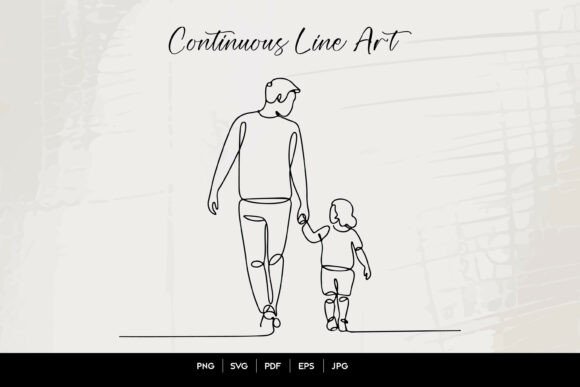
The moment you open the file, the aesthetic is immediately clear. This isn’t a cluttered scene with intricate backgrounds or busy patterns. It is a study in negative space and clean lines. The Father Son Line Art SVG relies on the power of simplicity, depicting two figures—presumably a father and son—walking together. The mood is quiet, supportive, and deeply sentimental without being overly saccharine. For an embroidery designer, this is a double-edged sword. Minimalist line art looks stunning on a high-resolution monitor, but on fabric, it requires precision.
The visual personality of this design leans heavily into modern, boutique aesthetics. It feels right at home in a nursery, on a minimalist tote bag, or as a subtle detail on a sweatshirt. It captures themes of guidance, bonding, and childhood in a way that feels timeless rather than trendy. However, because the design relies on thin lines, the success of the final product hinges entirely on execution. If the stitch density is off, or if the thread bleeds into adjacent areas, the elegance vanishes instantly.
Real-World Application: Where This Design Shines
I tested the potential of this Father Son Line Art SVG across several common embroidery project categories to see where it fits best. The versatility here is notable, but not unlimited.
- Custom Apparel: On a heavy cotton sweatshirt or a structured t-shirt, this design works beautifully. The thicker fabric provides enough stability to hold fine lines without puckering. Placing it over the heart or centered on the back creates a sophisticated custom apparel piece that doesn’t scream for attention but invites closer inspection.
- Tote Bags and Aprons: Canvas totes are a staple for many Etsy sellers. This design translates exceptionally well to canvas. The contrast between the thread and the natural or colored canvas enhances the line art effect. It also serves as a perfect motif for kitchen aprons, appealing to parents who appreciate subtle humor and sentimentality.
- Baby and Nursery Items: For baby embroidery, such as muslin blankets or onesies, this design offers a softer approach. It avoids the loud graphics often found in children’s wear, instead offering a gentle reminder of family bonds. It pairs well with soft pastel threads, creating a premium feel for personalized gift markets.
- Embroidered Patches: Because the design is self-contained and lacks delicate trailing threads that might snag, it makes for a durable embroidered patch. Whether applied to denim jackets or backpacks, the clean edges provide a professional finish that withstands wear and tear.
Technical Challenges and Fabric Considerations
No design is perfect, and as a reviewer, I must point out where this machine embroidery design demands caution. The primary challenge with any line art style is the reliance on single or double running stitches to create form. Unlike fill stitches, which cover ground quickly and forgive minor imperfections, line art exposes every flaw.
When considering fabric texture, avoid highly textured materials like bouclé wool or thick fleece. The needle will struggle to maintain consistent tension, causing the lines to waver. Similarly, stretchy knits require a stabilizer that can handle the pull of the thread; otherwise, the simple walking figures may distort into an unintended shape. Dark fabrics present another variable. While high-contrast white or cream thread pops against black, the lack of shading means the design relies solely on outline clarity. If the hoop size is too small for the intended garment area, the scale may become awkward, making the figures look cramped.
Furthermore, products that undergo frequent washing, such as holiday embroidery items or everyday use bags, need to be stitched with durability in mind. Thin lines can unravel if the thread quality is poor or if the start and end points aren’t secured properly. Always inspect the corners and curves of the line work during your test runs to ensure there are no loose ends that could catch on zippers or other garments.
Designing for Value and Customer Trust
In the world of handmade goods, presentation is everything. A well-executed Father Son Line Art SVG elevates the perceived value of a product. Customers associate clean, precise stitching with professionalism and care. When a buyer sees a finely detailed line art piece on a sweatshirt embroidery item, they perceive it as a higher-quality asset compared to mass-produced prints. This directly impacts brand consistency and customer trust.
For commercial embroidery projects, this design offers flexibility. It appeals to a broad demographic, from new fathers to grandparents looking for meaningful gifts. Its minimalist nature allows it to fit seamlessly into various branding styles, whether you are selling on Etsy or running a boutique shop. By focusing on emotional resonance through simple shapes, you create a finished product that customers are proud to display or gift, increasing the likelihood of repeat business and positive reviews.
Practical Designer Notes Before You Stitch
Before adding this to your production queue, there are essential steps every designer should take. First, always test the design on scrap fabric that matches your final material in both weight and stretch. This reveals how the stabilizer interacts with the fabric and helps you adjust thread tension. Second, review the stitch density. If the lines appear too sparse, consider adjusting the settings to add slight overlap or using a different thread type for better coverage.
Check the hoop size requirements carefully. Ensure the design fits comfortably within your machine’s capabilities while leaving enough margin for placement adjustments. Inspect small details closely; sometimes, what looks like a solid line on screen may break apart when stitched due to thread breaks or tension issues. Testing in black and white mockups can also help you visualize the silhouette before committing to expensive thread colors.
Finally, confirm licensing terms. If you plan to sell finished items featuring this digital embroidery file, verify that your license permits commercial use. Many designers offer personal-use licenses that restrict resale, so reading the fine print protects your craft business from legal complications. By approaching the Father Son Line Art SVG with these practical considerations in mind, you can transform a simple graphic into a cherished keepsake that stands up to real-life use.